
RECORDING DATE – 28TH JANUARY
WRITER – CALLUM
CREATORS – CALLUM,BRANDON,CAITLIN,CONNOR
RECORDING DATE – 28TH JANUARY
WRITER – CALLUM
CREATORS – CALLUM,BRANDON,CAITLIN,CONNOR
VIEWS – Jason Nash & David Dobrik
PRODUCTION ELEMENTS:
CREATIVE:
TECHNICAL:
CONTENT:
PERSONAL PREFERENCE:
I really enjoy this podcast because the content can be funny but at times it can be very serious, i also enjoy how they talk about what being famous is actually like and what their lives are like outside of YouTube and fame.
They also talk about their lives outside of fame and YouTube to show they should not be put into categories and that they are just like everyone else.
I also enjoy how David gives his friends gifts, like cars and other expensive things which shows that he cares about his friends.
Outstanding podcasts have three critical attributes:
Things to know when creating a podcast:
Fictional/Non-Fictional
How familiar are you with podcasts?
= Not at all, however i do listen to one podcast.
Share your favourite!
= David Dobrik and Jason Nash
What do you enjoy about the podcasts mentioned?
= How they talk about their experiences in their life.
What were the subjects?
Speech:
Music:
Sound:
Silence:
Narration:
Protagonist tells the story; not objective, but reflective.
Character speaks directly to audience, breaking the ‘fourth wall’
Omnipotent
Narrative:
Chronological evolution events
Technical elements:
Foley is a unique sound effect technique that involves creating and “performing” everyday sounds for movies and television shows. Foley artists create these sounds in a recording studio during post-production, in synchrony with the picture, to enhance the quality of the audio. Foley sound got its name from Jack Foley, the sound effects artists who developed and shaped the technique.
The purpose of having good sound is to make the audience feel like they are there and to create a realistic environment, it also helps a message get across to the audience and keeps the audience engaged and entertained.
Sound 1- Bones breaking = Celery
Sound 2- Screeching tires = Hot water bottle
Sound 3- UFO = fibreboard
Sound 4- Crunching snow = Box of cornstarch
Sound 5- Dried grass =
Sound 6 – Chugging train = Macaroni box and train whistle
Sound Guy:
Boom Operator:
Sound department usually consist of a small team of people
Utility Sound Technician:
Before editing anything, the very first thing you need to do is sync the sound with the camera footage. And if you prepare during production, its pretty easy to do
To keep track of media, the scene, shot and take number are written on the slate for the camera to see, and are called out for the microphone to hear
Automated Dialogue Replacement
The sound designers – Their job is to make it seem like you are really there.
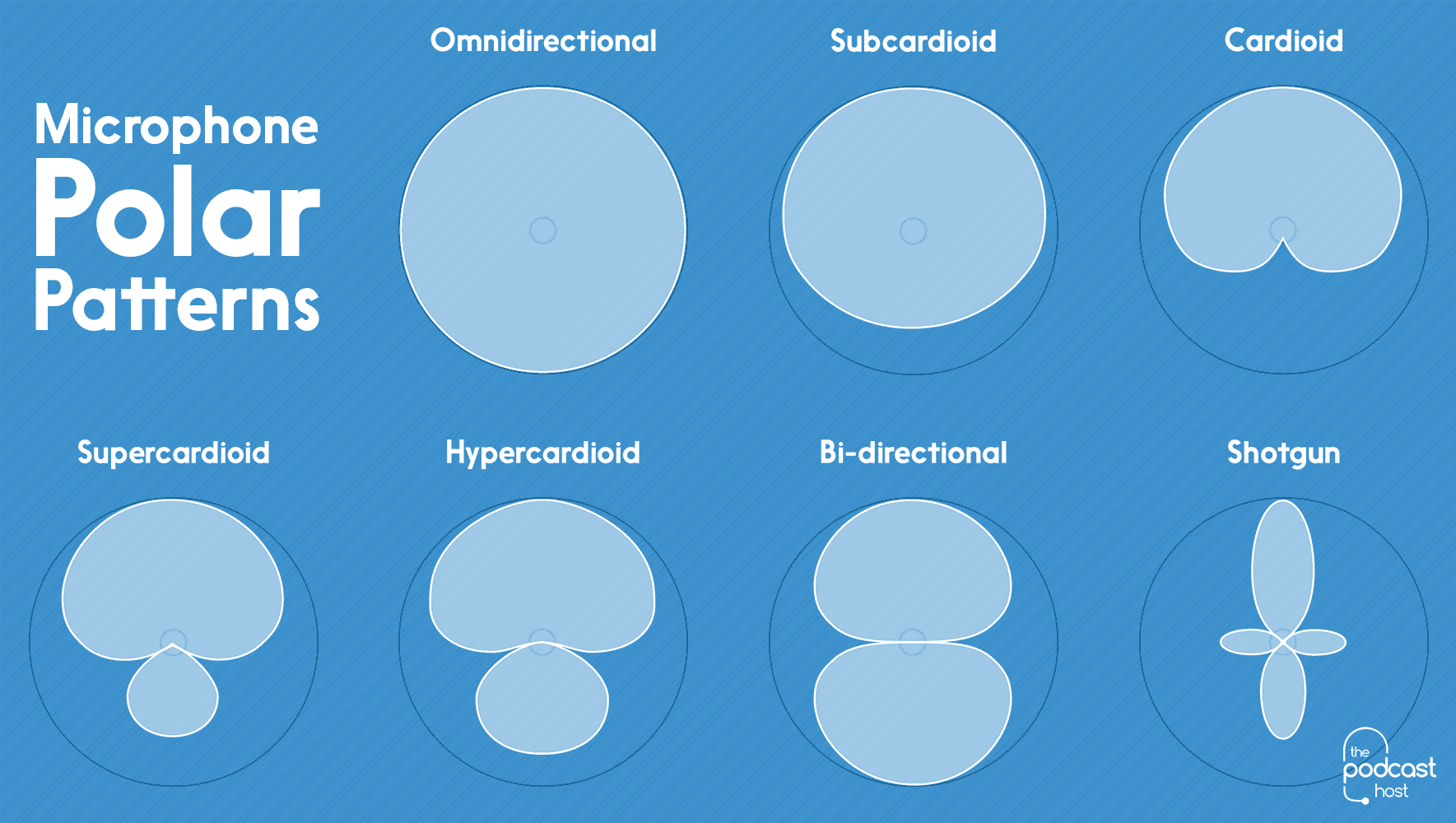
Dynamic Microphones

Condenser Microphones

Ribbon Mics

Zoom H1

Zoom H4
3.5 Jack or Mini-Jack


Be yourself; Everyone else is already taken.
— Oscar Wilde.
This is the first post on my new blog. I’m just getting this new blog going, so stay tuned for more. Subscribe below to get notified when I post new updates.
This is an example post, originally published as part of Blogging University. Enroll in one of our ten programs, and start your blog right.
You’re going to publish a post today. Don’t worry about how your blog looks. Don’t worry if you haven’t given it a name yet, or you’re feeling overwhelmed. Just click the “New Post” button, and tell us why you’re here.
Why do this?
The post can be short or long, a personal intro to your life or a bloggy mission statement, a manifesto for the future or a simple outline of your the types of things you hope to publish.
To help you get started, here are a few questions:
You’re not locked into any of this; one of the wonderful things about blogs is how they constantly evolve as we learn, grow, and interact with one another — but it’s good to know where and why you started, and articulating your goals may just give you a few other post ideas.
Can’t think how to get started? Just write the first thing that pops into your head. Anne Lamott, author of a book on writing we love, says that you need to give yourself permission to write a “crappy first draft”. Anne makes a great point — just start writing, and worry about editing it later.
When you’re ready to publish, give your post three to five tags that describe your blog’s focus — writing, photography, fiction, parenting, food, cars, movies, sports, whatever. These tags will help others who care about your topics find you in the Reader. Make sure one of the tags is “zerotohero,” so other new bloggers can find you, too.
 Caitlin's AV Project